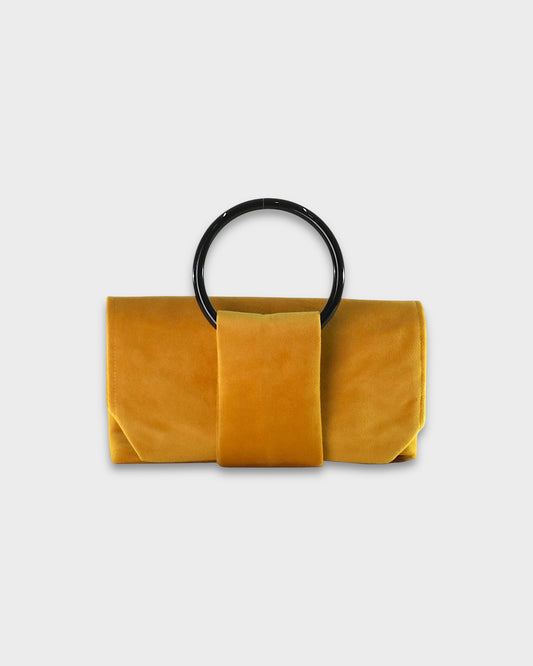
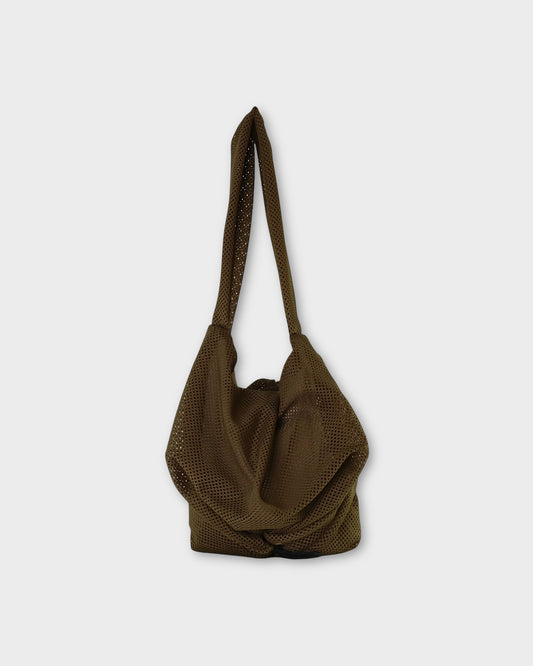
Slow fashion focuses on quality, longevity, and responsible production.
Unlike fast fashion, which prioritises speed and volume, slow fashion reduces output and focuses on garments designed to last.
This shift is part of a broader move towards alternatives to fast fashion.

The cost difference
At first glance, slow fashion appears more expensive.
However, cost should be measured over time. A garment worn repeatedly over several years offers significantly more value than multiple short-lived pieces.
This is where capsule wardrobe dressing becomes relevant.

Quality and longevity
Slow fashion garments are designed with durability in mind.
Fabric, construction, and fit are all considered to ensure the piece remains wearable over time.
Explore long-lasting designs in our most loved dresses and ready-to-wear collection.

Reduced consumption
The goal of slow fashion is not to eliminate buying, but to reduce unnecessary purchasing.
Fewer garments, worn more often, create a more consistent wardrobe.
This aligns with seasonless dressing, where clothing adapts across seasons.

The long-term value
When viewed over time, slow fashion offers both financial and environmental value.
The cost per wear decreases, while the lifespan of each garment increases.
This makes slow fashion not just a choice, but a long-term strategy.
This philosophy connects closely with circular fashion where garments are kept in use for as long as possible.
Discover more in our
Ready-to-Wear Collection | Most Loved Pieces | Wedding & Occasion Edit
Related Reading